
Remember awhile back when IBM came out with a
supercomputer, named Watson, which competed against past winners on Jeopardy
and won? Well, IBM has been doing a lot with Watson since then by applying him to
certain industries to boost productivity. According to Geeks
Are Sexy, “It’s already been used
for projects such as improving automated customer help systems, figuring out
the best options for hospitals trying to buy medicines and equipment, and
helping tailor lifestyle and health advice to individuals.”
Other uses have been suggested and could possibly be
integrated with Watson, such as deciphering ones medical condition from a list
of given symptoms. Also, taking over that painstaking task of troubleshooting
technical problems with computers.
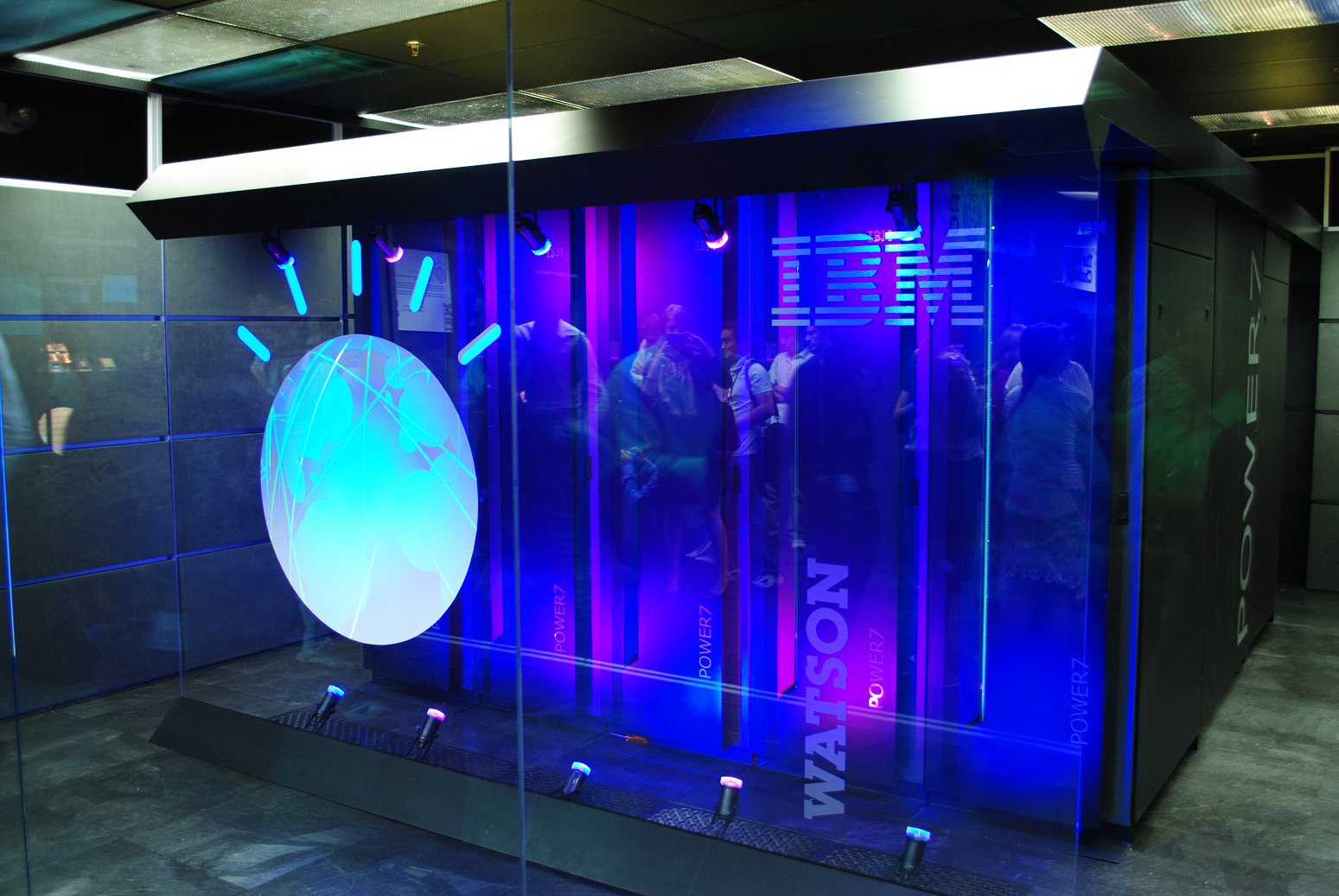 However, the big news now is that IBM has migrated Mr.Watson to “the cloud” where he is free to run his complex functions at high
speeds. What’s particularly interesting is that Watson will become a type of PaaS
(remember the differences from our last
post?). This means that he will be available to the public as a cloud-based
development platform, but that isn’t IBM’s main goal. IBM has put Watson in “the cloud” to encourage new ideas
of how society can use a supercomputer like Watson. They’re hoping for the next
great idea to come along so that Watson can facilitate it with his blinding
fast human-like reasoning. IBM has made it readily available and using Watson
for development isn’t hard because according to IBM, “using Watson will be relatively simple and developers won’t need to have
a working knowledge of how machine learning works. They will, however, need to
provide suitable “training data” to be able to go and use Watson for real.”
However, the big news now is that IBM has migrated Mr.Watson to “the cloud” where he is free to run his complex functions at high
speeds. What’s particularly interesting is that Watson will become a type of PaaS
(remember the differences from our last
post?). This means that he will be available to the public as a cloud-based
development platform, but that isn’t IBM’s main goal. IBM has put Watson in “the cloud” to encourage new ideas
of how society can use a supercomputer like Watson. They’re hoping for the next
great idea to come along so that Watson can facilitate it with his blinding
fast human-like reasoning. IBM has made it readily available and using Watson
for development isn’t hard because according to IBM, “using Watson will be relatively simple and developers won’t need to have
a working knowledge of how machine learning works. They will, however, need to
provide suitable “training data” to be able to go and use Watson for real.”
So far, the next
great idea hasn’t found its way to Watson’s development cloud, but it’s only a
matter of time before some genius finds a way to leverage the power of an
artificial brain for the greater good. This author’s suggestion would be to
have Watson give Siri some pointers; she’s nowhere near ready for Jeopardy.


